
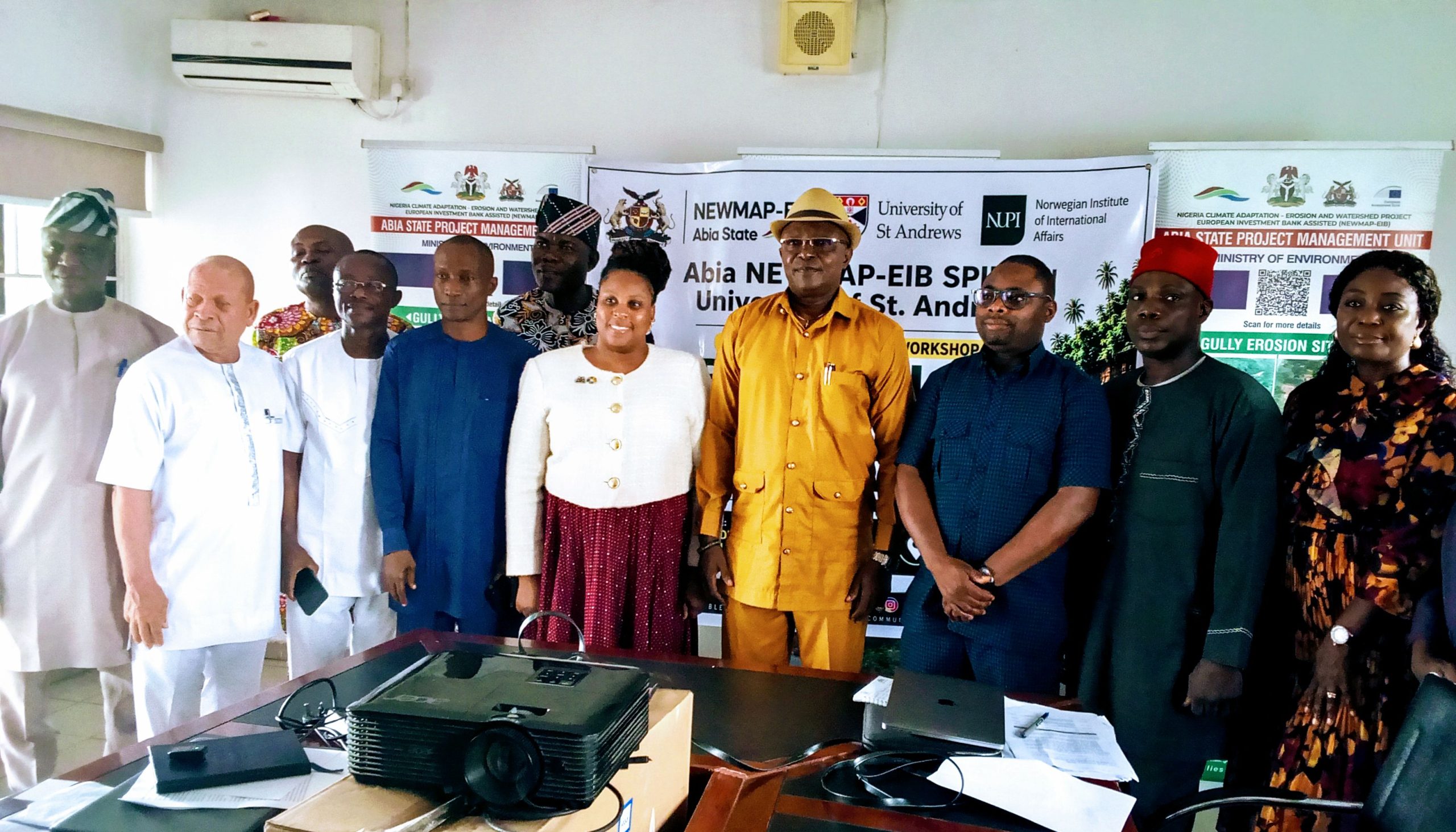
Abia institutionalises sustainable Devt. Plan 2024–2050, as NEWMAP-EIB hosts Niger Delta forum

The Abia Government says it has institutionalised sustainable Develolopment Plan 2024-2050, aimed at integrating environmental sustainability into urban development, agriculture, infrastructure, and public health.
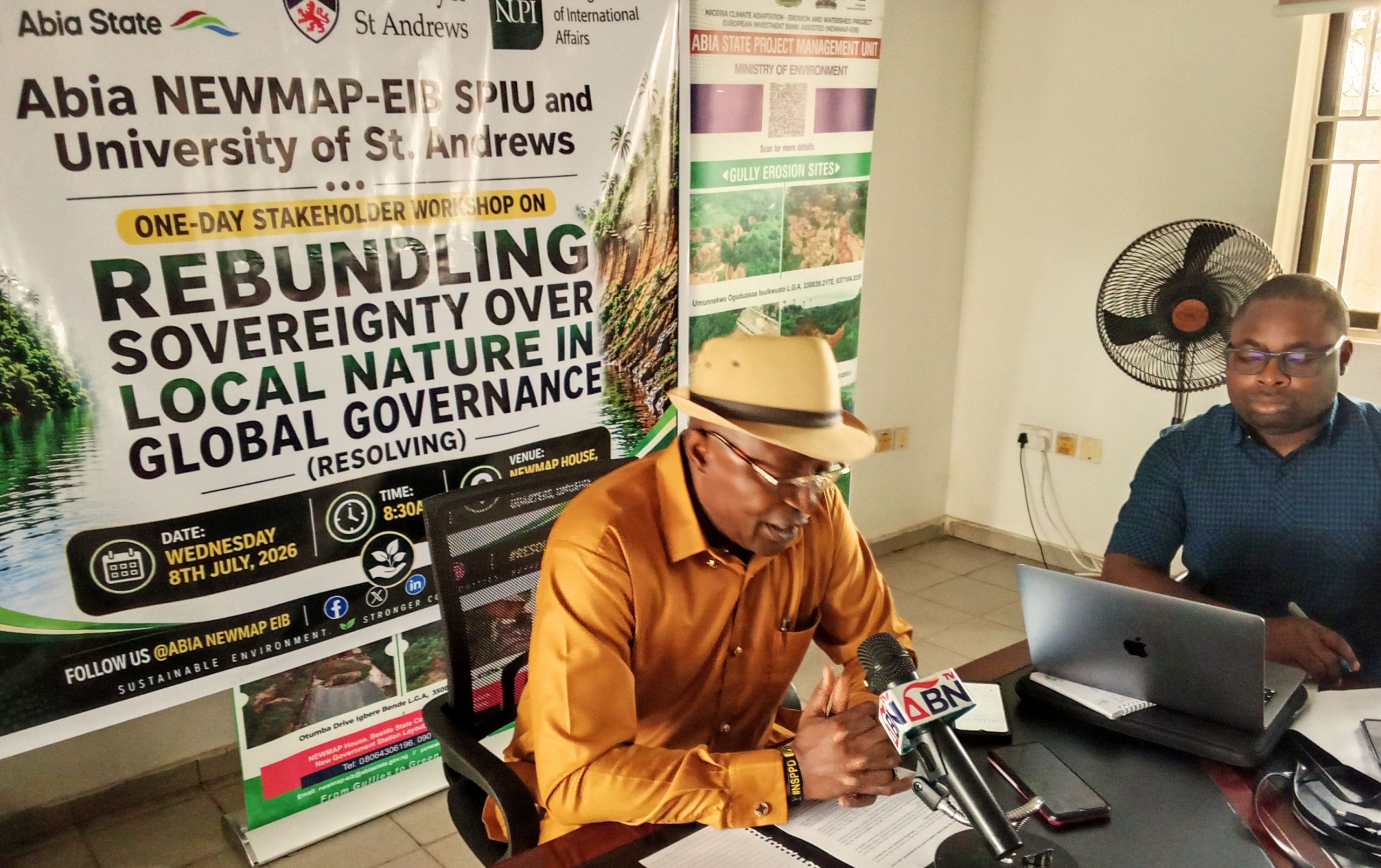
The State Commissioner for Environment, Mr Philemon Ogbonna disclosed this at a one-day stakeholders’ workshop on “Rebundling Sovereignty Over Local Nature in Global Governance(RESOLVING)” in Umuahia.
The workshop was organised by the Abia State Project Implementation Unit of the Nigeria Climate Adaptation – Erosion and Watershed Management Project-European Investment Bank (NEWMAP-EIB) in collaboration with the University of St Andrews.
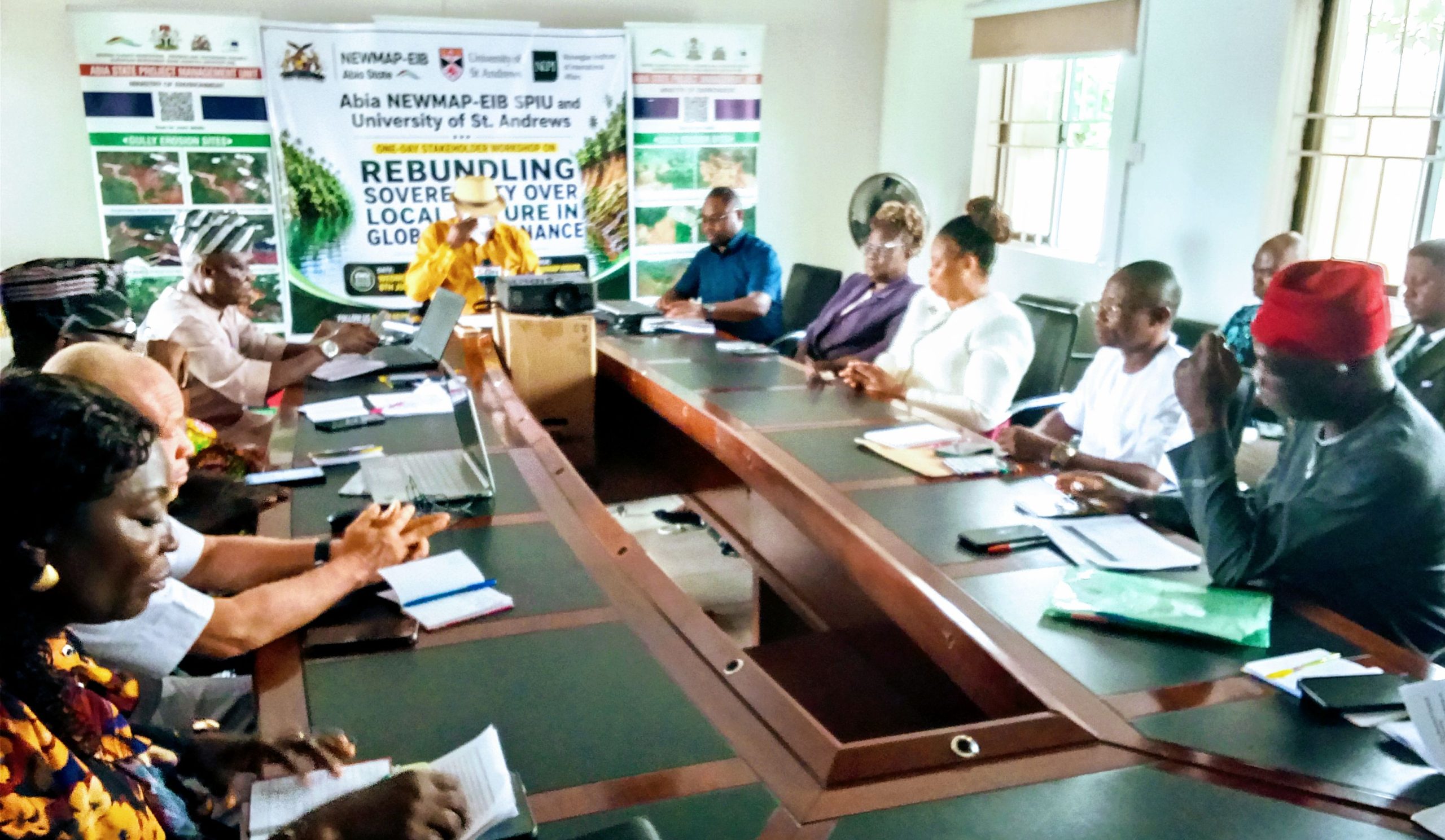
In his keynote address, Ogbonna described the workshop as timely given the mounting environmental pressures in the region.
He said that state government has pledged to strengthen climate action and deepen community participation in environmental governance as part of efforts to address the region’s growing ecological challenges.
Ogbonna, represented by the Permanent Secretary, Mr Ikechukwu Oriuwa, in the ministry, said gully erosion, flooding, land degradation, deforestation, and pollution were threats to livelihoods, infrastructure, food security, and public health.
Ogbonna said that addressing challenges posed by nature demanded practical and urgent attention
“The central question before us is, how decisions about nature are made and implemented. It is practical and urgent.
“It goes to the heart of how we manage resources, engage communities, and deliver sustainable development,” Ogbonna said.
According to him, Abia institutionalised sustainable development through the Abia State Development Plan 2024–2050.
“The Plan integrates environmental sustainability into urban development, agriculture, infrastructure, and public health”.
The Commissioner added that the state was aligning its financial systems with climate priorities through climate budget tagging, developing bankable projects, and strengthening access to climate finance.
He also cited the introduction of electric buses as part of the government’s shift to low-emission mobility.
In her remarks, the State Project Coordinator, NEWMAP-EIB Abia, Dr Nkiruka Chidia Maduekwe, said the workshop reflects a shared commitment to people, nature, and responsible governance.
She noted that while NEWMAP-EIB was widely known for erosion control and watershed management, its deeper value lied in building trust, inclusion, and coordination among communities, government, and development partners.
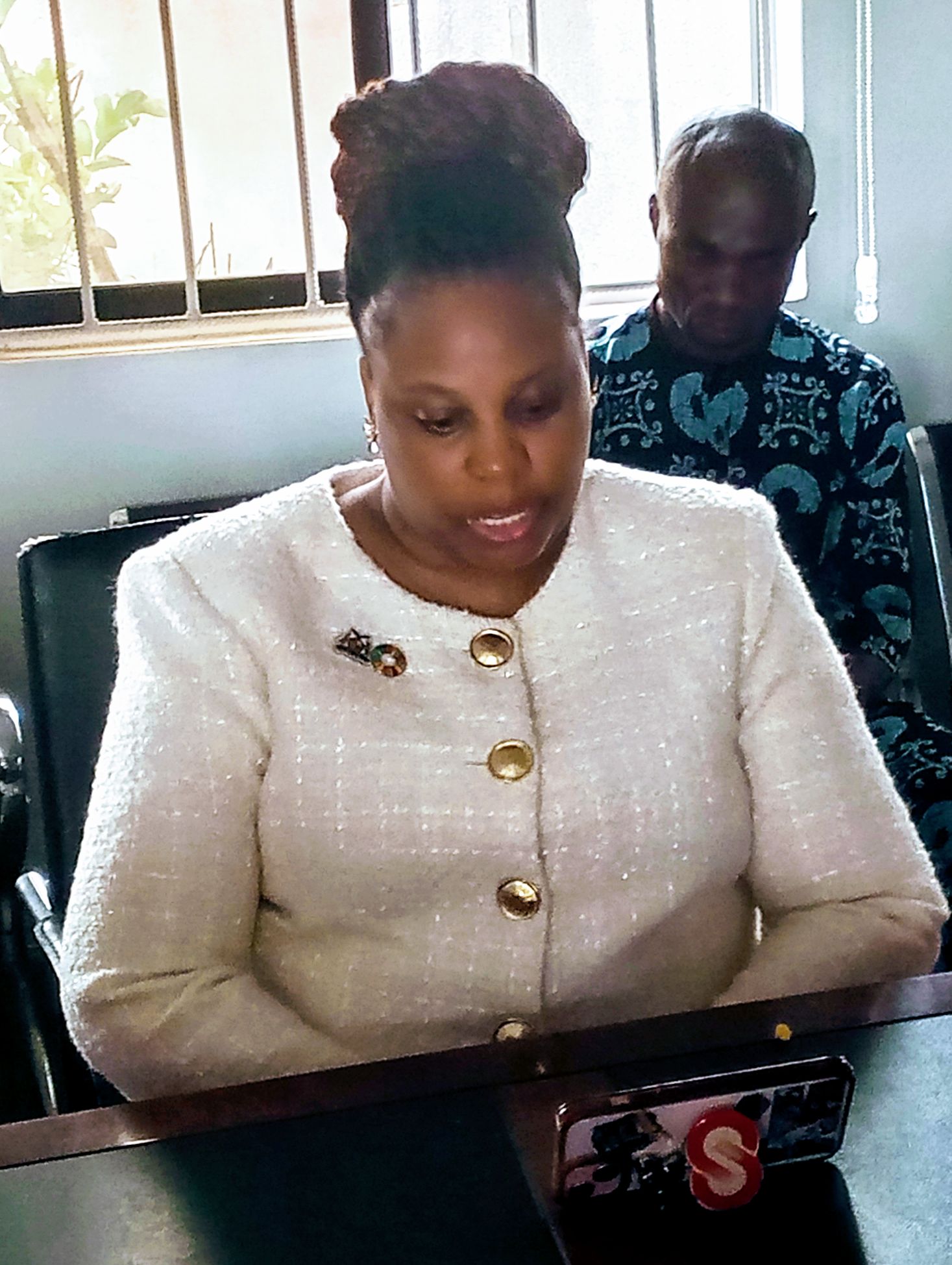
Maduekwe said: “Where communities are meaningfully engaged, projects are better understood, better protected, and more sustainable.
“Where institutions work together with clarity, delivery becomes more efficient and credible”.
Maduekwe explained that the project promotes participatory structures such as Site Committees and Grievance Redress Mechanisms to ensure affected communities are partners, not just beneficiaries.
She also acknowledged Gov. Alex Otti’s leadership and the Ministry of Environment’s policy support in aligning NEWMAP interventions with the state’s development agenda.
Also speaking, Dr Cyril Effiong of the University of St Andrews said the RESOLVING project is a research initiative examining how international actors influence local decision-making on nature in the Gulf of Guinea.
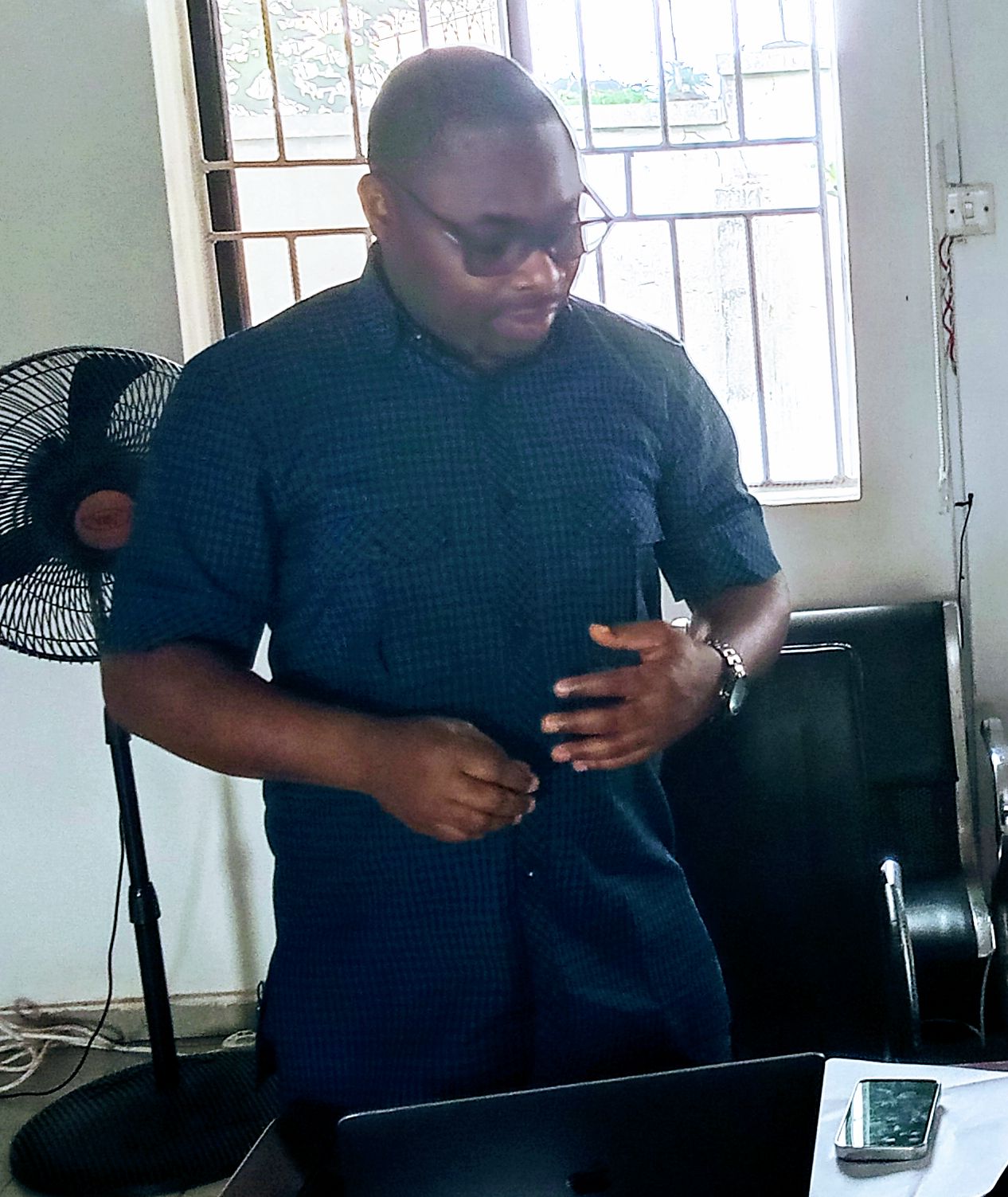
He noted that findings from the workshop would be published and shared globally to project the realities of Niger Delta communities.
According to Effiong, initial mapping shows common challenges across the region, including coastal erosion, oil bunkering, fisheries depletion, and deforestation.
“A lot of advocacy needs to be in place. CSOs are doing a lot, but communities must also get involved. Illegal activities perpetrated within communities are part of what we are facing.
“If we see something, we need to say something,” Effiong said.
The forum drew directors and senior officials from Ministries of Environment in the nine Niger Delta states: Abia, Akwa Ibom, Bayelsa, Cross River, Delta, Edo, Imo, Rivers, and Ondo.
Also, the workshop provided a platform for stakeholders to share experiences, identify challenges, and co-create solutions for evidence-based environmental governance across the Niger Delta.
(NAN)
