
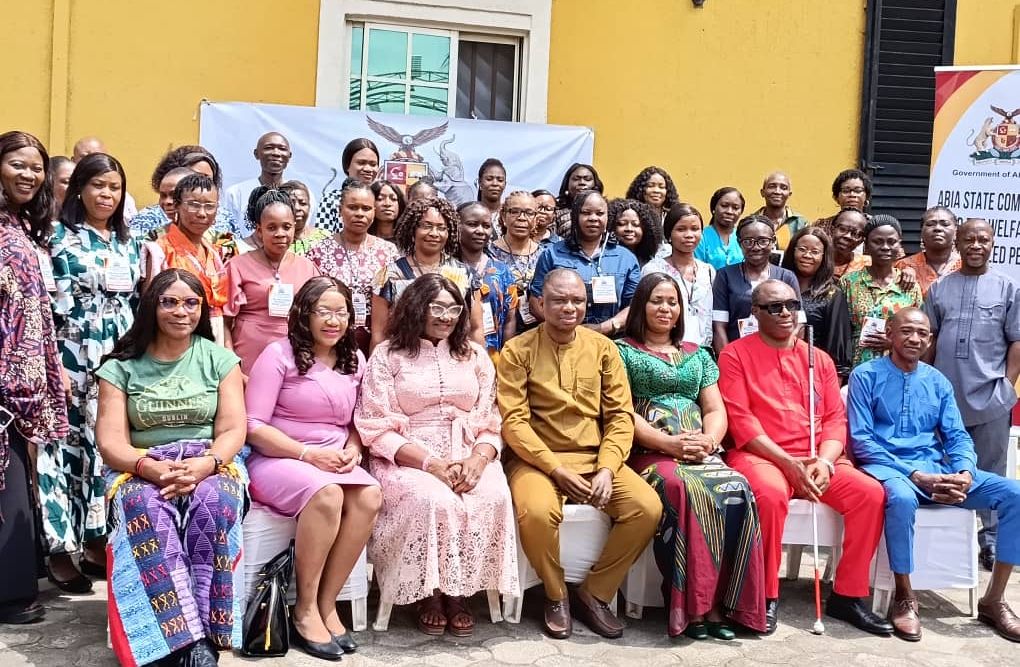

The Abia State Commission for the Welfare of Disabled Persons has commenced a week-long capacity-building workshop for disability therapists and caregivers.
The programme, being held in Aba, is aimed at strengthening professional care and expanding access to quality rehabilitation services across the state.
Declaring the workshop open, the Chairman of the Commission, Dr David Anyaele, said the initiative aligns with Gov. Alex Otti’s vision.
He said the vision is to build an inclusive society where every citizen, irrespective of disability, lives with dignity and fulfils their potential.
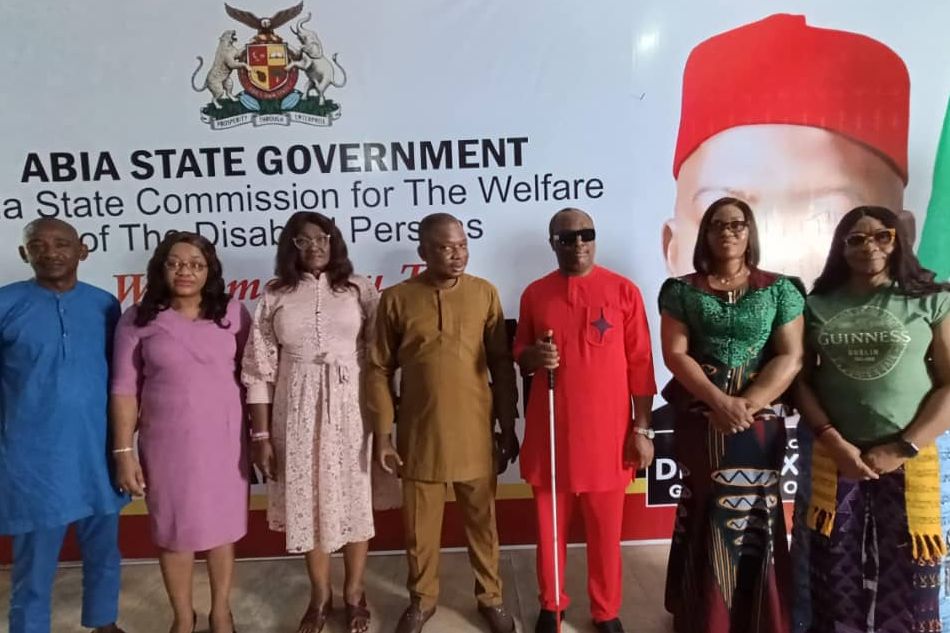
Anyaele explained that the training was designed to equip participants with practical skills and contemporary knowledge.
He noted that the focus is on improving care for children with intellectual and developmental disabilities.
He observed that many families raising children with disabilities face social, emotional and economic challenges.
According to him, this makes it necessary to build a strong network of trained professionals in communities.
The Chairman stressed that disability care requires more than technical competence.
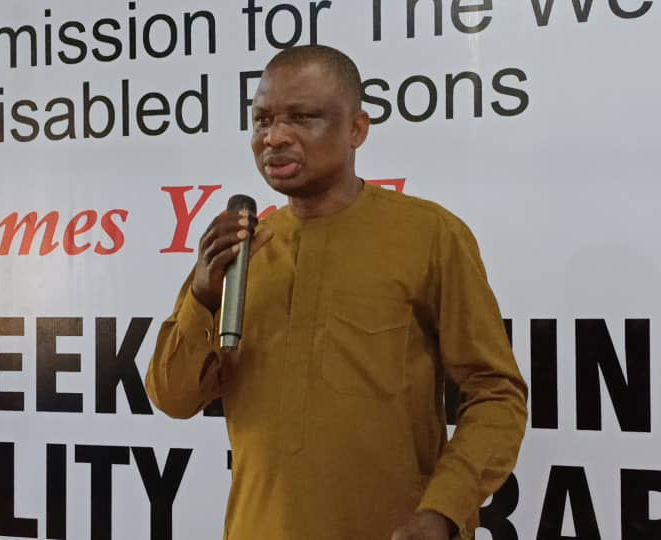
He said it also demands compassion, patience and commitment to improving the lives of vulnerable persons.
“This training is not just about career development; it is about service to humanity,” Anyaele said.
He urged participants to apply the knowledge gained to improve the wellbeing of persons with disabilities.
He disclosed that participants would be assessed throughout the programme.
Anyaele emphasised that those who demonstrated exceptional commitment would be considered for advanced training and supervisory roles.
“We are raising people who will go into our communities to provide immediate support,” he said.
He charged participants to become ambassadors of inclusion by promoting the rights and dignity of persons with disabilities.
In a goodwill messages, Mrs Eno Jerry, the Chairman of the Abia State Civil Service Commission, commended the initiative.
Jerry, who was represented by Mrs Ifeoma Agu, described the workshop as a strategic intervention for public service delivery.
The Commissioner for Health, Prof. Enoch Uche, represented by Dr Agomoh Orieji, Director of Public Health, also reaffirmed government’s commitment to inclusive healthcare.
Also present were representatives of the Abia State Primary Health Care Development Agency and the Ministry of Poverty Alleviation and Social Protection.
They pledged continued support for disability inclusion and welfare programmes in the state.
Lead facilitator, Dr Eziafakaku Nwokolo, said the training will equip therapists, caregivers, teachers and health workers with practical skills.
She stressed that effective disability care begins with education, early intervention and proper support for families.
Responding on behalf of participants, Miss Precious Mbaraonye, a special educator, described the workshop as timely.
She appealed to government to establish a specialised school for children with autism and other developmental disabilities.
Another participant, Mr Ndubisi Oriaku, thanked the Commission for the training.
He expressed confidence that the skills gained would improve service delivery and inclusion across Abia.
The week-long workshop brought together therapists, caregivers, teachers and primary healthcare workers.
It is part of the Commission’s broader effort to build an inclusive Abia where persons with disabilities have equal opportunities.
(NAN)
