
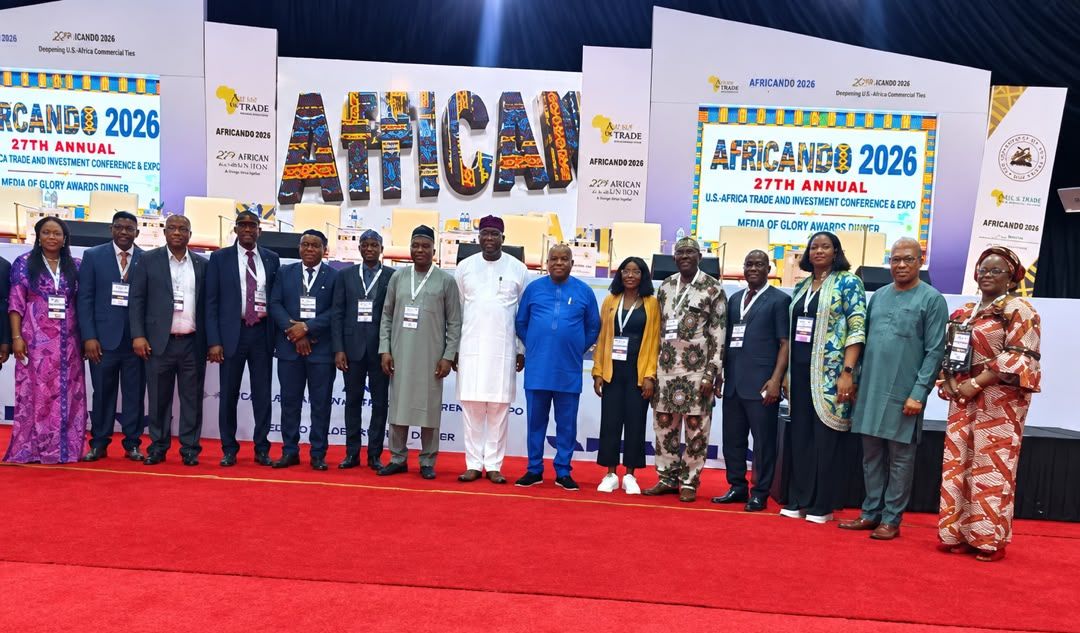

The Abia Government has unveiled agricultural investment opportunities valued at ₦578.2 billion, approximately US$413 million, to attract investors into agriculture and agro-processing.
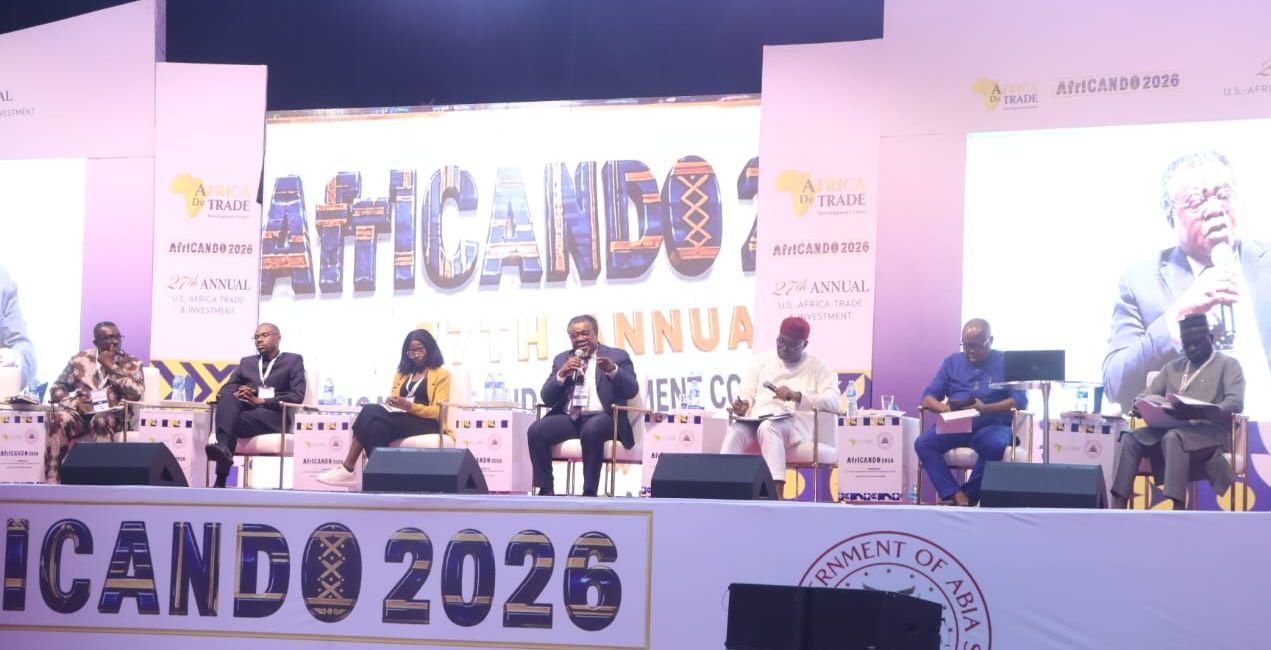
The portfolio was presented by the Commissioner for Agriculture, Dr Cliff Agbaeze, at the 27th Annual U.S. Africa Trade and Investment Conference, AFRICANDO 2026, in Umuahia.
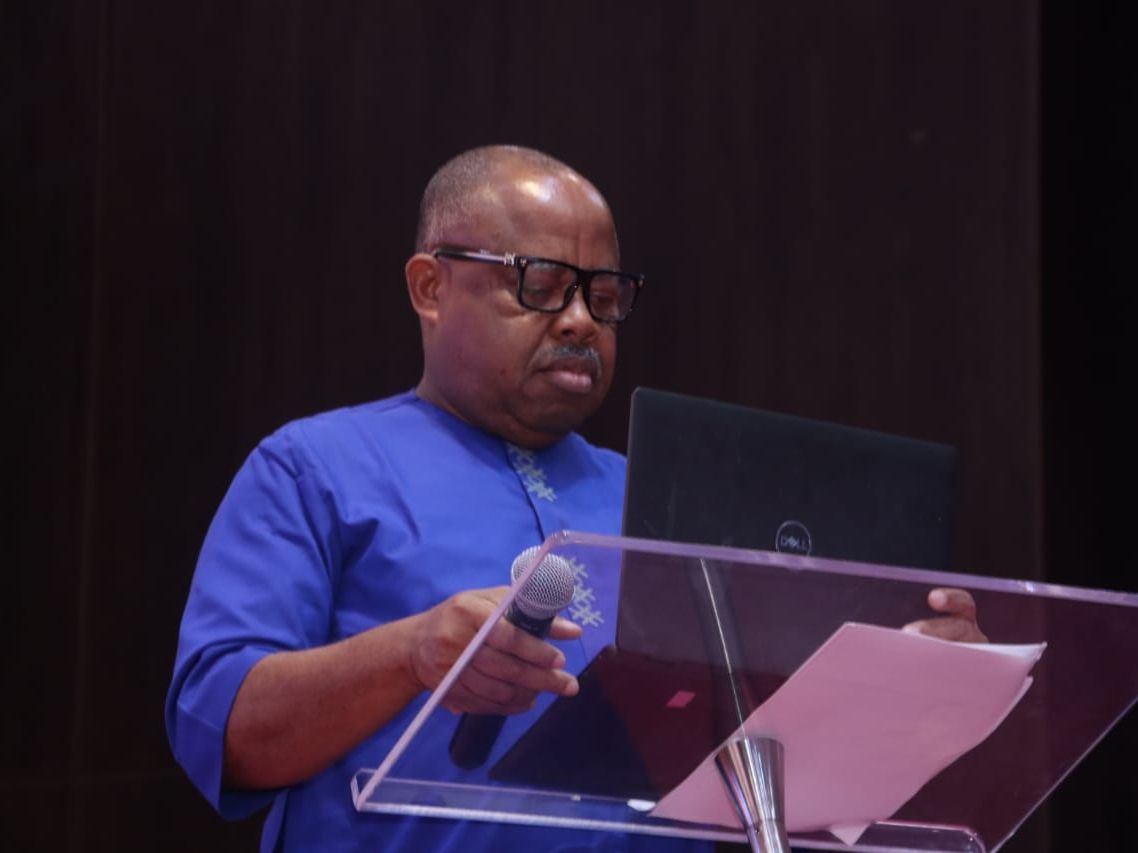
He said the portfolio comprised 12 strategic areas, including oil palm, agro-processing, livestock, aquaculture, rice commercialisation, cluster farming, logistics and digital agriculture.
Agbaeze said Abia had about 474,000 hectares of arable land, representing 75 per cent of its total land area, while 70 per cent of residents engaged in agriculture.
He said Gov. Alex Otti’s administration was transforming agriculture from subsistence production into a commercially driven, technology-enabled and investment-oriented sector.
He said the government was adopting a commodity-by-commodity and community-based approach, based on the comparative advantages of communities across the state.
Agbaeze disclosed that the government was developing a comprehensive digital database to identify, enumerate and register farmers, their locations and agricultural activities.
According to him, after enumeration, farmers will be organised into clusters based on commodities and the comparative advantages of their communities.
He said the state was targeting about 9,289 farmers for the Commodity-by-Community Programme, organised according to value chains and locations.
The commissioner explained that clustering would make it easier to provide mechanised equipment, inputs, technical support and other interventions to farmers.
He said the strategy would address fragmentation among smallholder farmers, which had made coordination and distribution of government support difficult.
Agbaeze declared that the database would support planning, monitoring and accountability, and guide investment decisions and intervention programmes.
He said the ultimate objective was to create an organised system where smallholder farmers could access support and participate in commercial agriculture.
He said the government was seeking partnerships with investors and development stakeholders across production, processing, mechanisation, technology, storage and logistics.
