

By Leonard Okachie
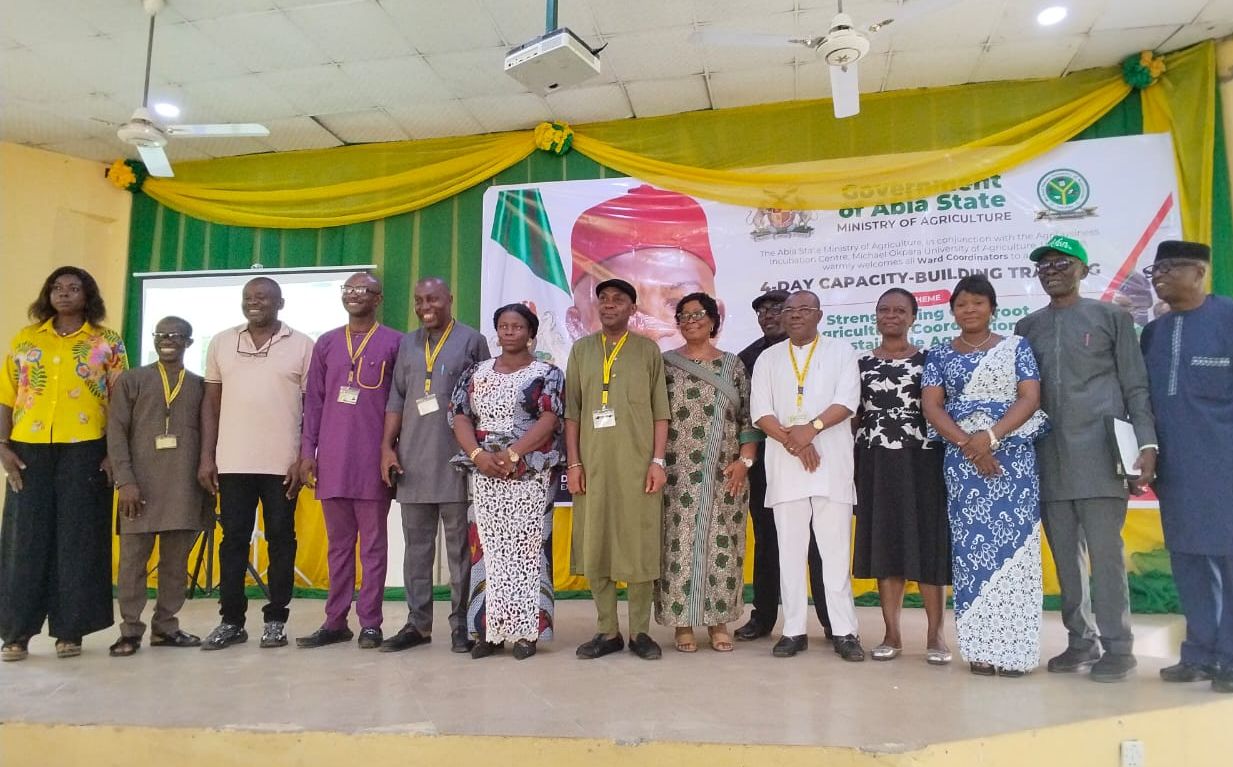
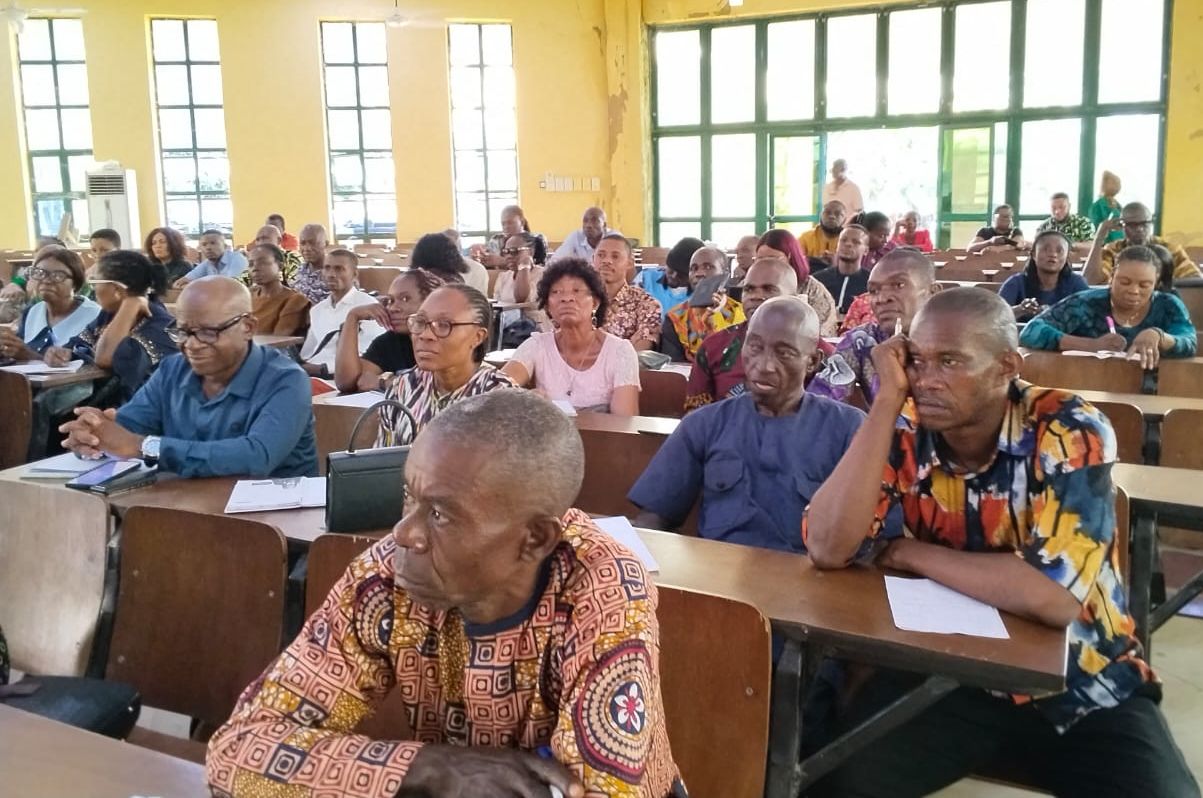
Oct. 6, 2026 (NAN) The Abia Ministry of Agriculture on Tuesday began a four-day training for Ward Agricultural Coordinators and extension personnel to strengthen grassroots agricultural development.
The training is being organised in collaboration with the Agribusiness Incubation Centre, Michael Okpara University of Agriculture, Umudike (MOUAU).
The programme, with the theme ‘Strengthening Grassroots Agricultural Coordination for Sustainable Agricultural Development,’ focuses on modern agricultural techniques and agribusiness.
It also covers pest management and the responsibilities of ward coordinators in supporting farmers and monitoring agricultural interventions.
Declaring the training open, the Commissioner for Agriculture, Dr Cliff Agbaeze, described it as both a privilege and a responsibility.
Agbaeze, represented by Dr Stephanie Ariwodo of the ministry’s Department of Epidemiology, urged participants to take the training seriously.

He encouraged them to acquire practical knowledge that would enable them to deliver measurable results at the grassroots level.
Agbaeze said the initiative was part of Gov. Alex Otti’s agricultural transformation agenda to ensure interventions translated into tangible benefits for farmers.
He said ward coordinators had critical roles in monitoring beneficiaries of the Farmers’ Inputs Support Programme and verifying utilisation of farm inputs.
The commissioner added that they were expected to identify farmers’ challenges and provide timely feedback to the ministry for appropriate intervention.
The Vice-Chancellor of MOUAU, Prof. Ursula Akanwa, represented by the Deputy Vice-Chancellor, Research and Development, Prof. Princewill Chukwudo, described the training as timely.
Akanwa identified declining soil fertility, rising input costs, climate variability, inadequate extension services, limited mechanisation and poor market linkages as sectoral challenges.
She stressed the need for organic agriculture, integrated soil fertility management, biological pest control and climate-smart agricultural practices.

Akanwa said ward coordinators were frontline partners in driving agricultural development and ensuring sustainable practices reached farmers at the grassroots.
A participant, Mrs Oluchi Emesiobum, described the training as highly enlightening and impactful.
Emesiobum said it had improved her understanding of smart agriculture, climate preservation, waste-to-wealth initiatives, organic fertiliser production and modern pest management.
She said she would transfer the knowledge acquired to grassroots farmers to improve food production and enhance food security.
Another participant, Mr Gabriel John, described the session on cassava production as particularly insightful despite Nigeria’s leading position in global production.
John observed that productivity per hectare remained a major challenge, adding that the training exposed participants to improved site selection and crop management.
The organisers said the collaboration would strengthen extension services across the state’s 17 Local Government Areas and improve farmers’ access to technical support.
They added that the initiative would help reduce post-harvest losses and improve agricultural productivity across the state.
The News Agency of Nigeria (NAN) reports that experts from the university and ministry facilitated lectures and practical sessions on various agricultural value chains.
(NAN)
