
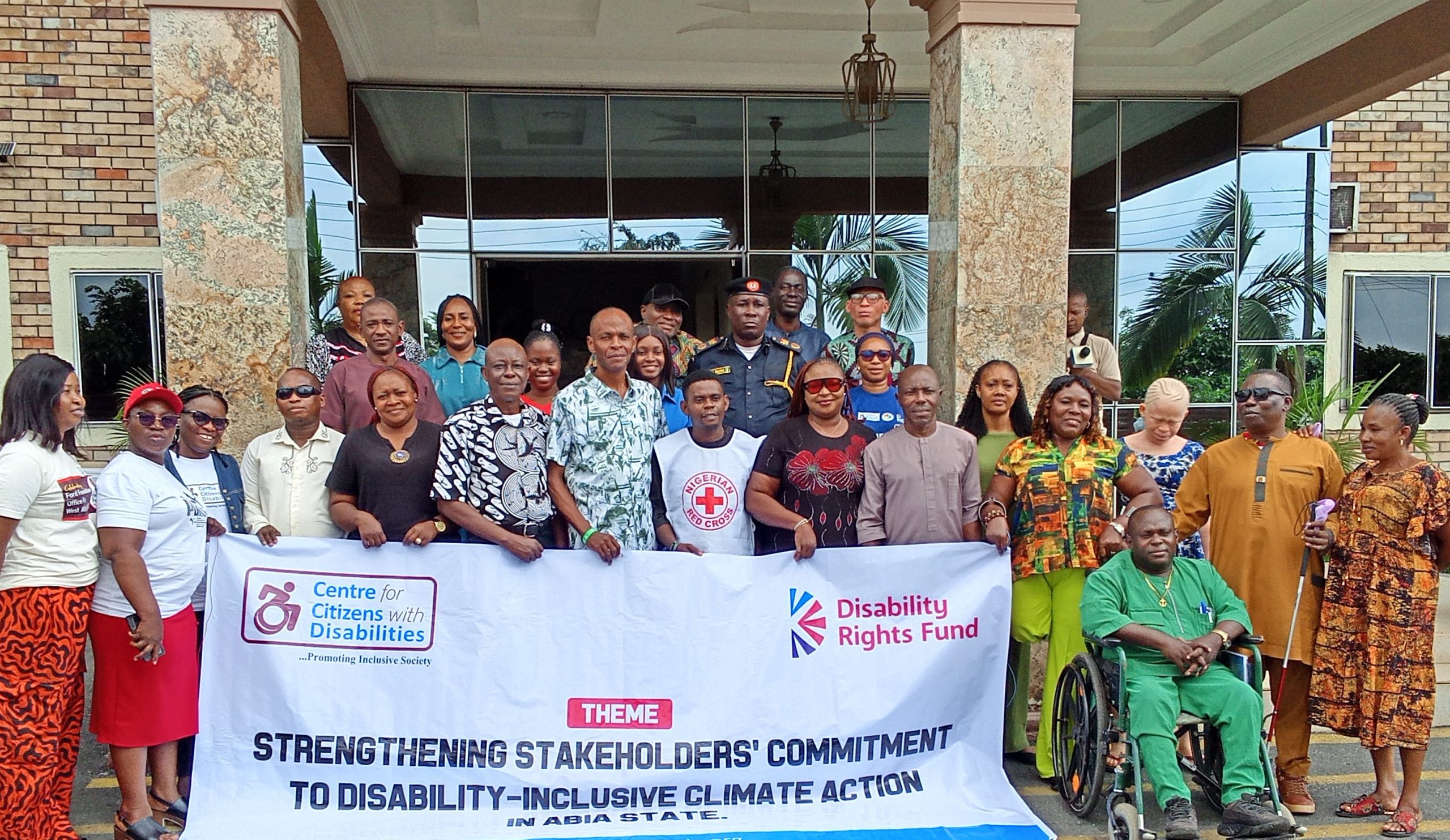

Stakeholders have demanded active involvement of Persons with Disabilities, (PWDs) in climate change policy formulation, implementation, monitoring and evaluation in Abia.
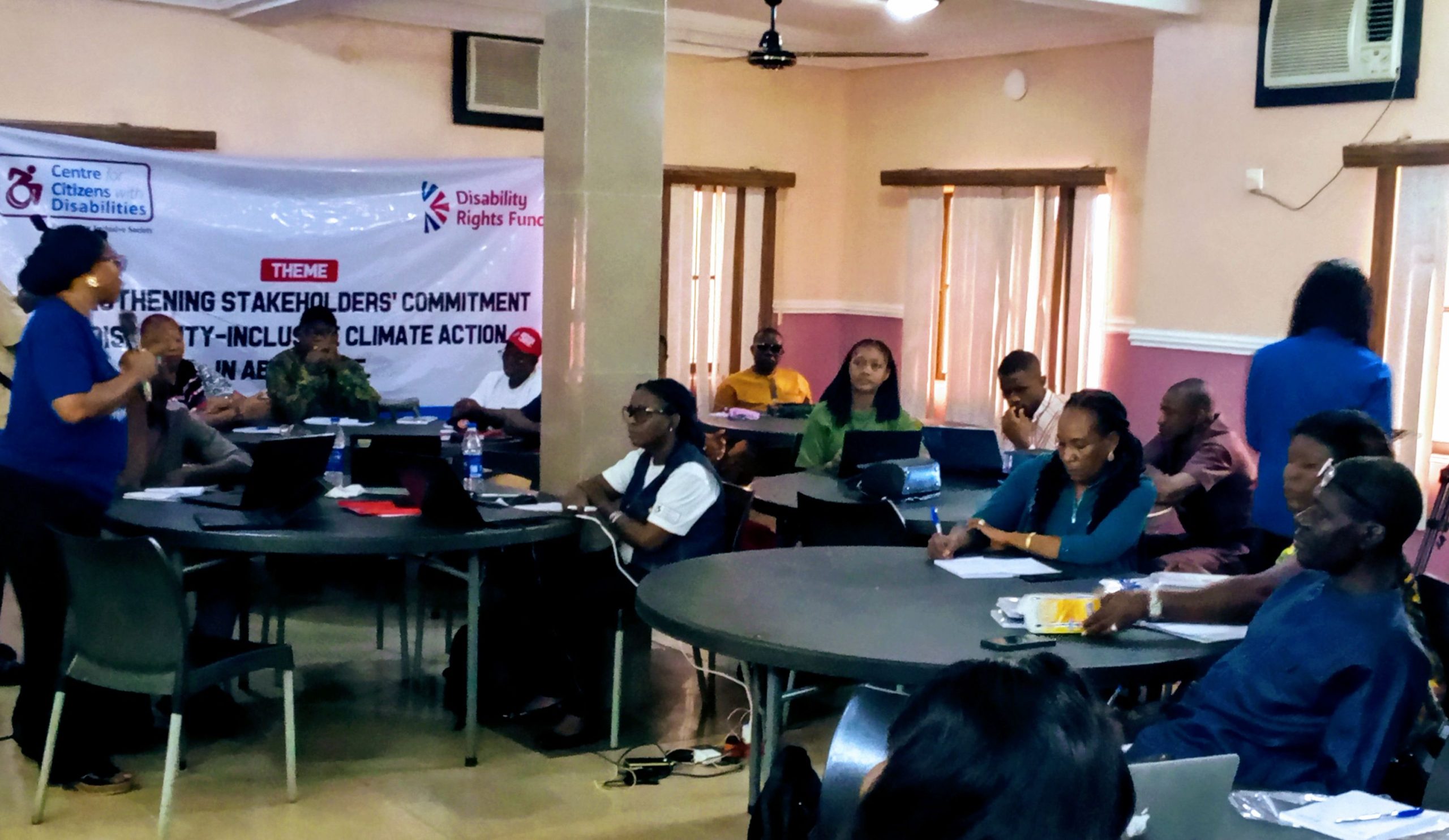
The call is contained in a communique issued at the end of a two-day workshop on “Strengthening Stakeholders’ Commitment to Disability-Inclusive Climate Change Action in Abia.”
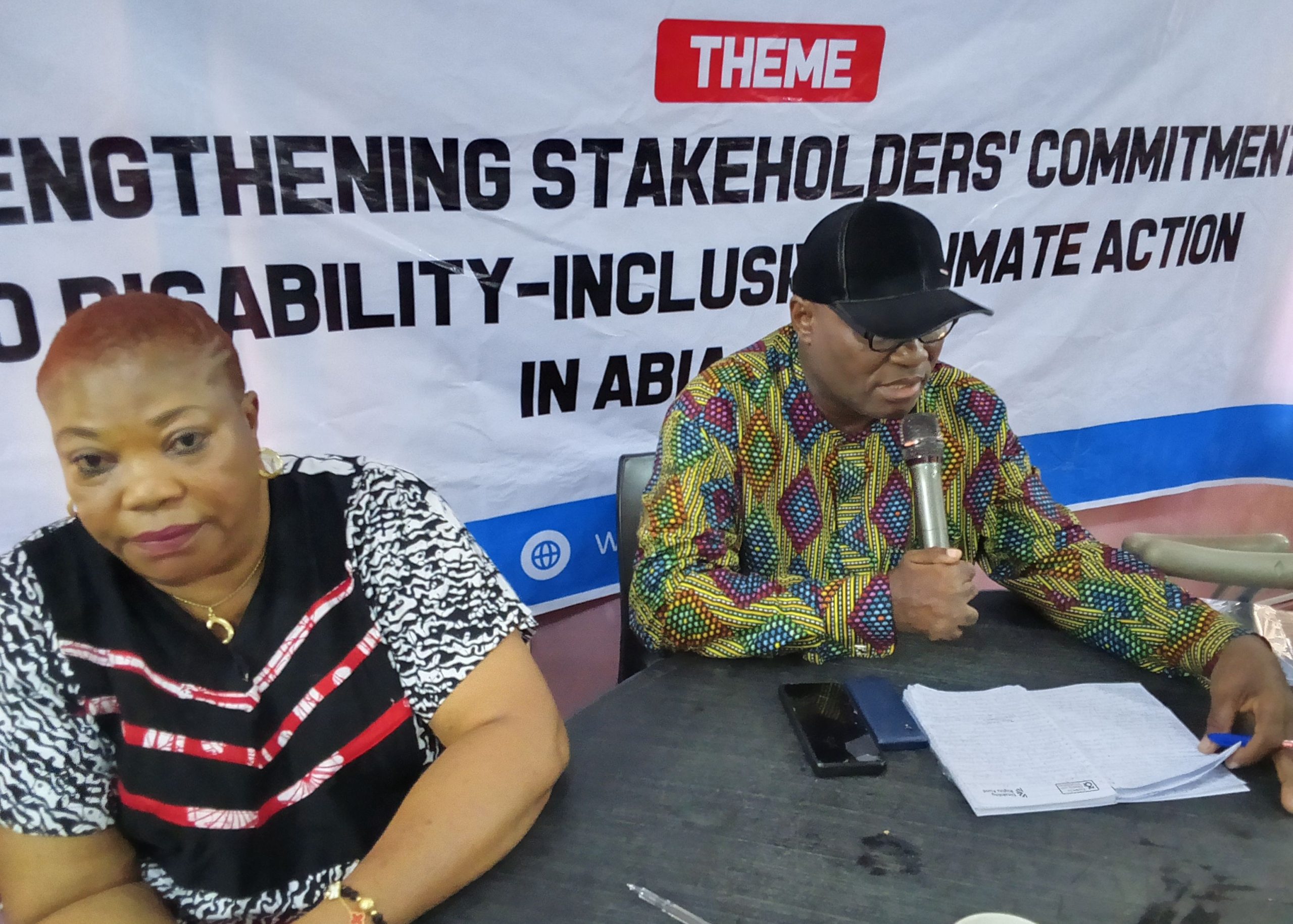
The workshop was organised by the Centre for Citizens with Disabilities (CCD) in Umuahia with support from the Disability Rights Fund.
It drew participants from state Ministries, Departments and Agencies,( MDAs), the Nigerian Red Cross Society, National Orientation Agency, Organisations of Persons with Disabilities, and other civil society groups
Chairman of the Communique Drafting Committee, Mr Iroabuchi Alozie, who read the communique, said climate change is not only an environmental crisis but also a disability rights and social justice issue.
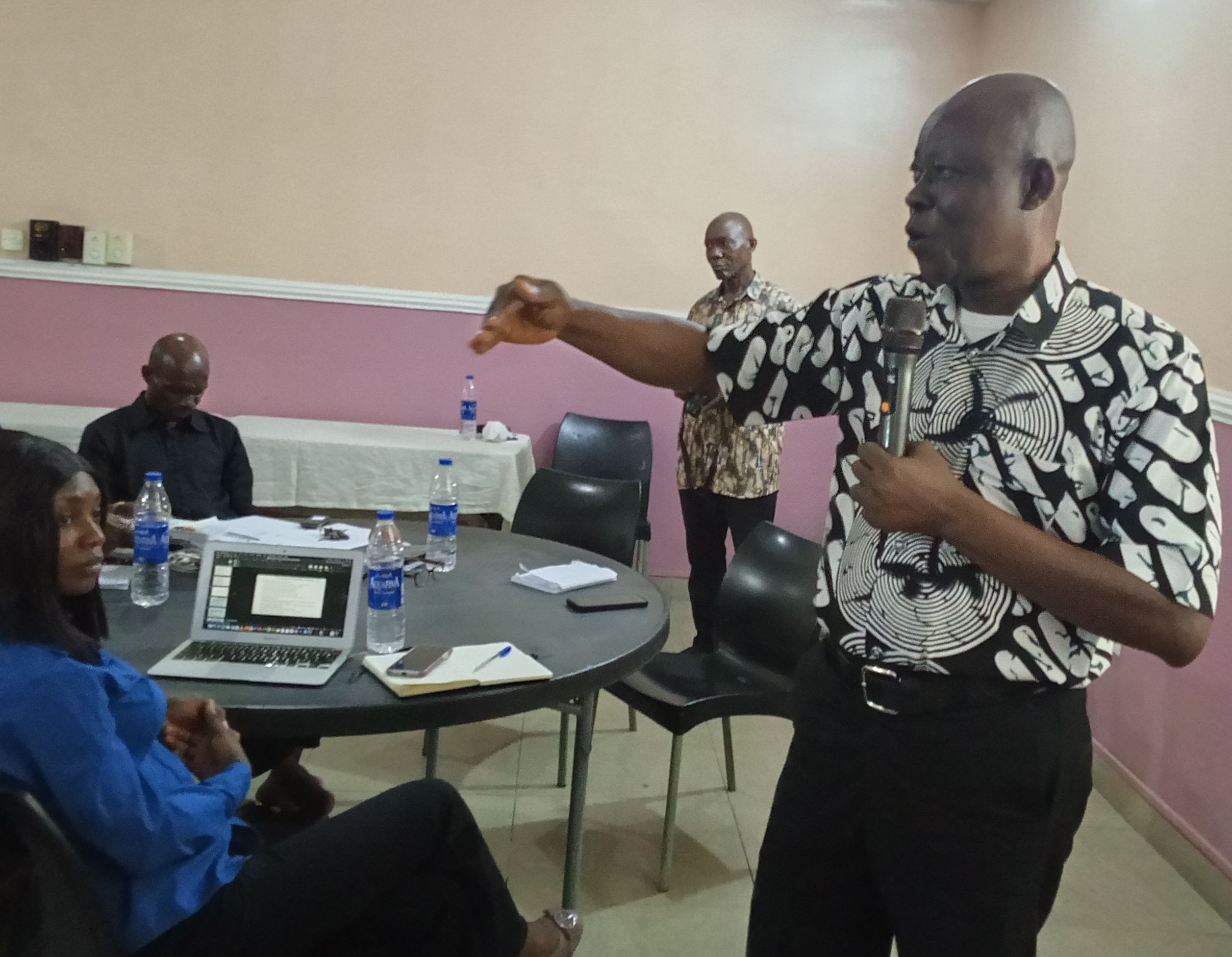
He stressed the need for sustained advocacy for the development and implementation of a disability-inclusive climate change action plan in the state.
According to the communique, stakeholders also demanded accessible climate information in multiple formats including braille, sign language interpretation, captioning, easy-to-read materials, and local languages.
The stakeholders also thanked Gov. Alex Otti for his disability-friendly policies, particularly the establishment of the Abia State Disability Commission, which they said has brought hope to the disability community in the state.
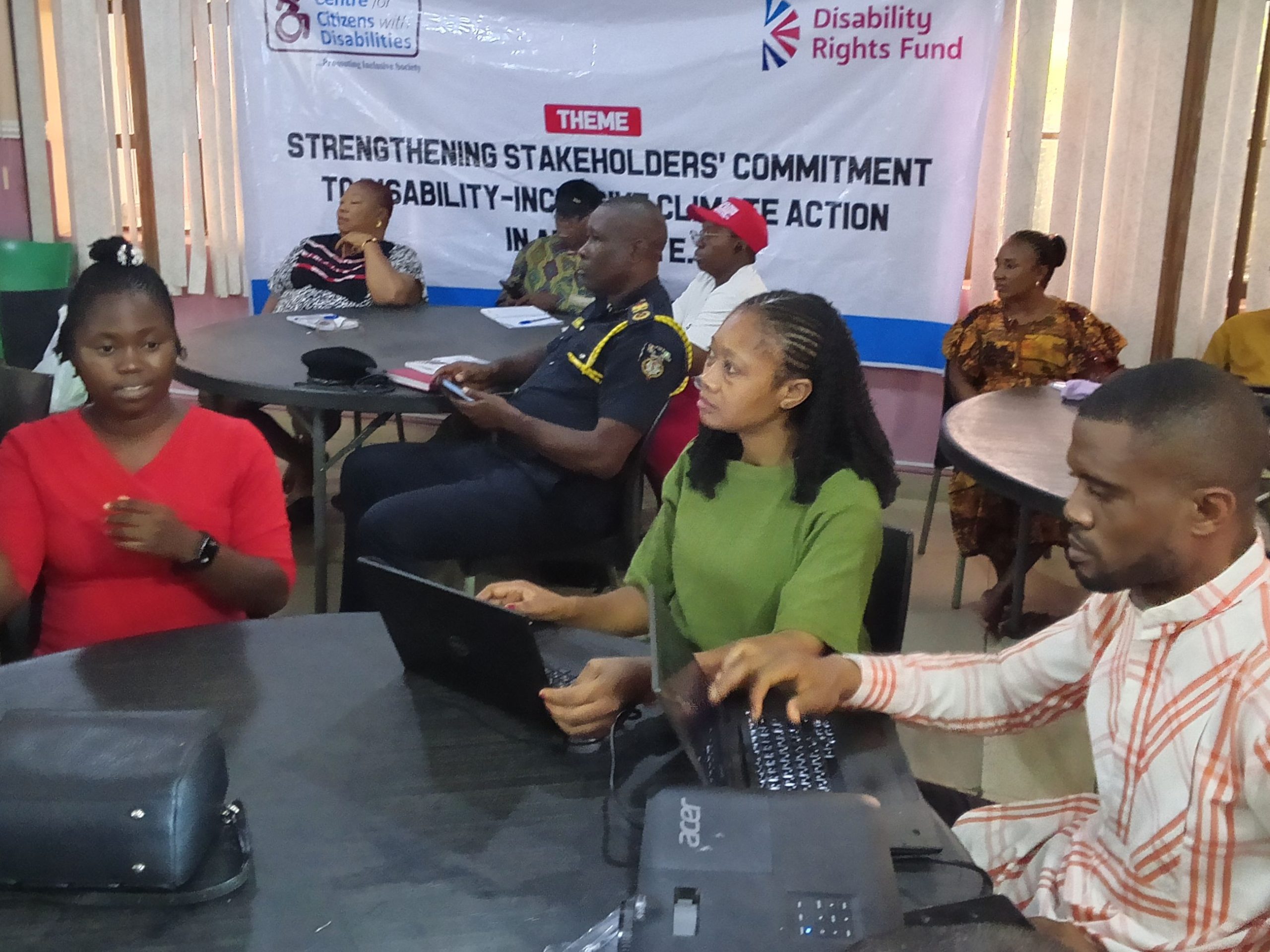
They further called for disability inclusion in disaster reduction, emergency and evacuation centres, humanitarian responses, and resilience programmes, with specific provisions for the fire service in all disaster management policies.
Other resolutions include full and meaningful participation of PWDs and their organisations in climate governance, adaptation, mitigation, and disaster risk reduction; promotion of climate-smart livelihoods, renewable energy assets, and green agriculture for PWDs.
The communique also demanded mainstreaming disability inclusion across all climate policies, plans and budgeting by the Federal Ministry of Environment, National Council on Climate Change, National Emergency Management Agency and other relevant MDAs.

The stakeholders also called for gender-responsive and disability-inclusive climate programmes to ensure the participation of women, children and the aged with disabilities.
They also demanded establishment of a disability-inclusive climate action technical working group at both national and state levels.
The communique further urged commitment to capacity building, sustainable financing, inclusive livelihood programmes, and a robust monitoring and accountability mechanism to ensure no one is left behind in Abia’s climate action agenda.
In his remarks, Acting Director of CCD, Mr Godwin Unumeri, said the workshop moved from planning to implementation.
He noted that one of the key gaps identified was the exclusion of PWDs from climate policy processes at both national and state levels.
“We discovered that at the national level, the National Climate Change Policy, 2021 and the National Climate Change Commission did not include persons with disabilities.
“At the state level, Abia had no climate policy until now,” Unumeri said.
He added that Abia’s draft climate change policy has been completed.
He said CCD’s intervention was to ensure that implementation actions capture PWDs from inception.
Unumeri confirmed that key stakeholders, including the Ministry of Environment, Disability Commission, Joint National Association of Persons with Disabilities and Civil Society Organisations, have committed to ensuring PWDs are brought to the decision-making table.
The Resource Person, Abigail Onyike, said PWDs are among the most vulnerable to climate impacts such as flooding, drought, erosion and extreme heat.
According to her, PWDs face barriers in accessing climate information, health services, agriculture and small-scale businesses.
She urged government and partners to prioritise disability inclusion in all climate adaptation and mitigation efforts.
(NAN)
