

By Leonard Okachie
Abia Government officials, stakeholders on security, and telecom services have resolved to strengthen collaboration in enforcing stricter measures to protect fibre optic cables and other Critical National Assets and Infrastructure (CNAI) in the state.
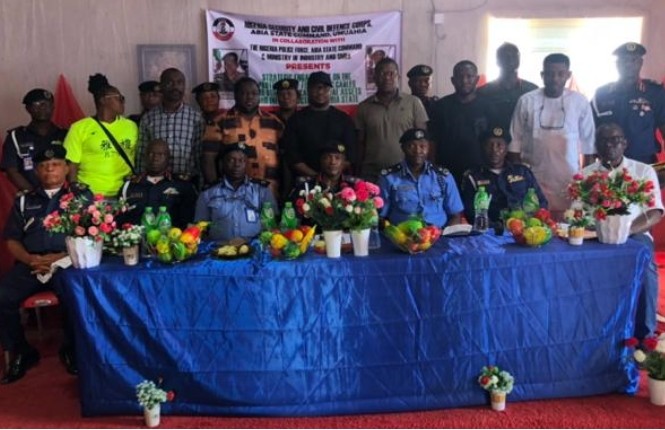
The resolution is contained in a communiqué issued at the end of Thursday’s strategic engagement convened by the Nigeria Security and Civil Defence Corps (NSCDC), Abia Command, CNAI Department, in collaboration with the Police Command and the State Ministry of Industry and SMEs.
The communiqué, which was made available to the News Agency of Nigeria (NAN) in Umuahia, on Friday, was signed by the Deputy Commissioner of Police, Operations, DCP Ifeanyi Ohuruzor, and the Head of Department, CNAI Department, NSCDC, DCC Etang Edike, alongside others.
NAN learnt that the meeting was held pursuant to the directive of the National Security Adviser and the Commandant General of the NSCDC.
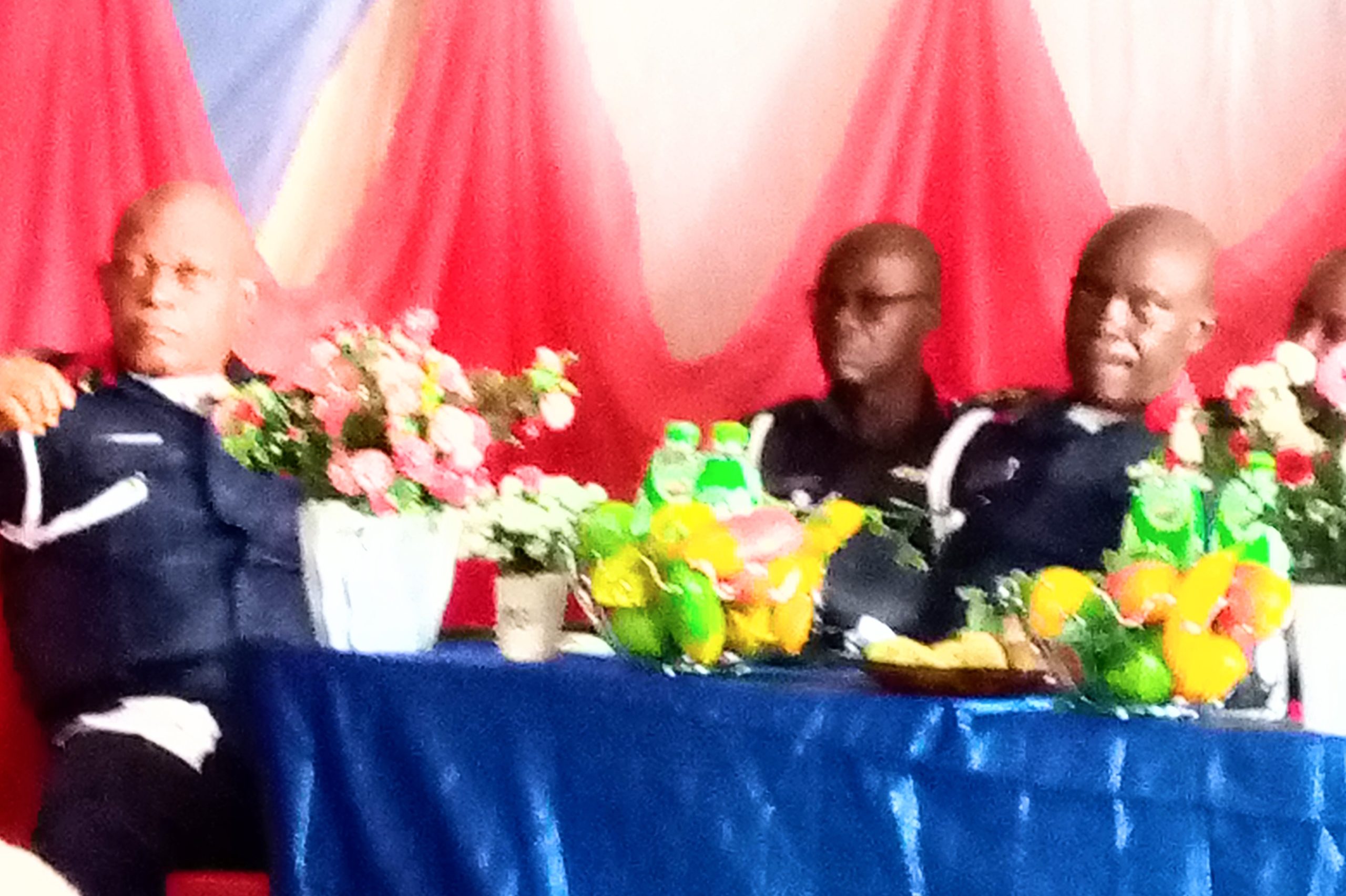
Tagged “Strengthening Inter-Agency Synergy for National Assets Protection,” the engagement brought together representatives of the Abia Police Command; NSCDC, the Ministry of Industry and SMEs; and Licensed Fibre Optic Operators, including MTN.
It addressed “recurring challenges” affecting the protection of CNAI in Abia, particularly fibre optic cables, including incidents of vandalism and molestation of field workers.
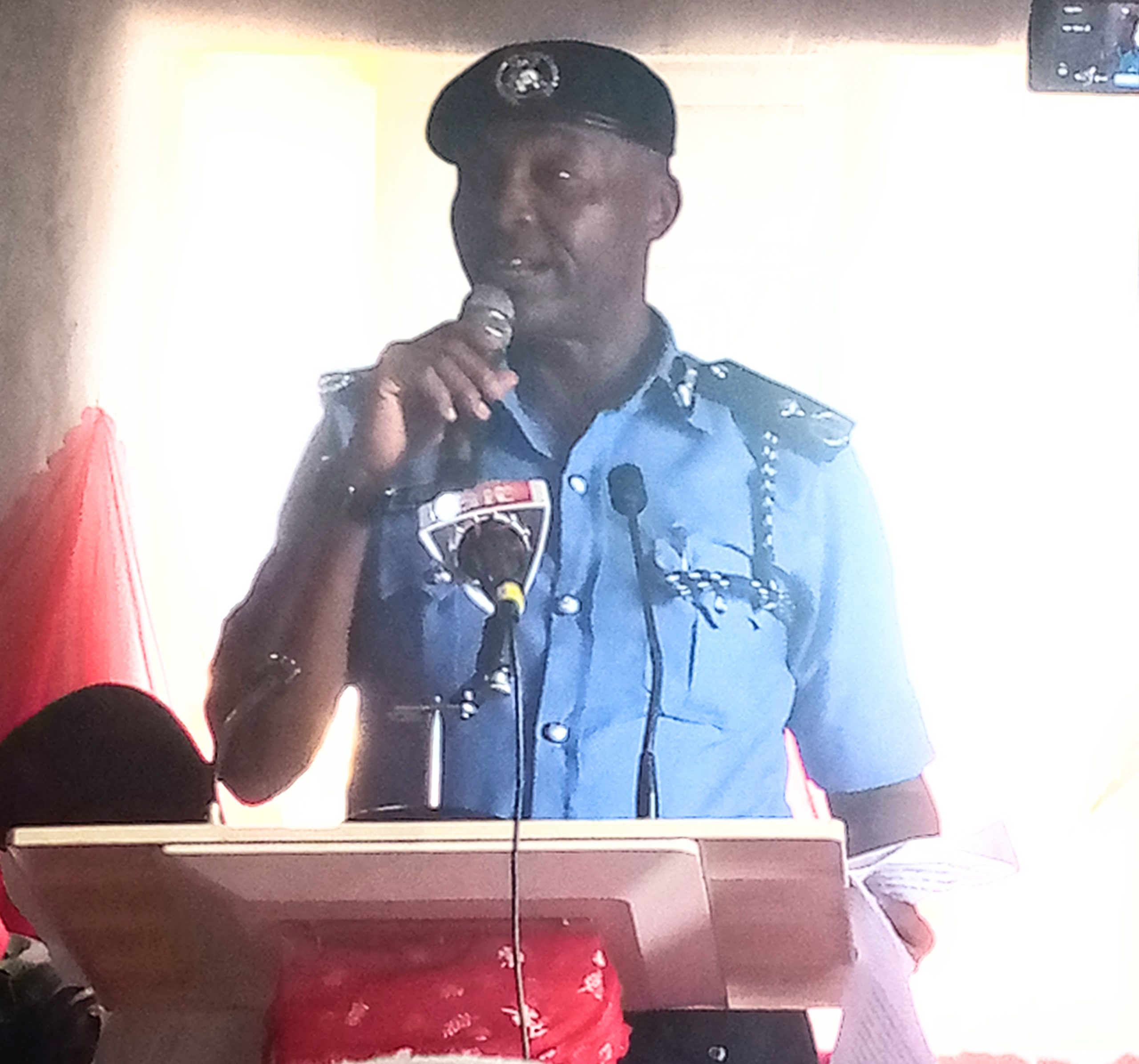
Participants identified vandalism, illegal excavation, theft, and the lack of public awareness as major threats to fibre optic infrastructure.
They warned that such acts disrupt telecommunications, banking, security, and other essential services.
To curb the menace, stakeholders agreed on a multi-agency approach, involving joint patrols, rapid response mechanisms, and intelligence sharing among security agencies and telecom operators.
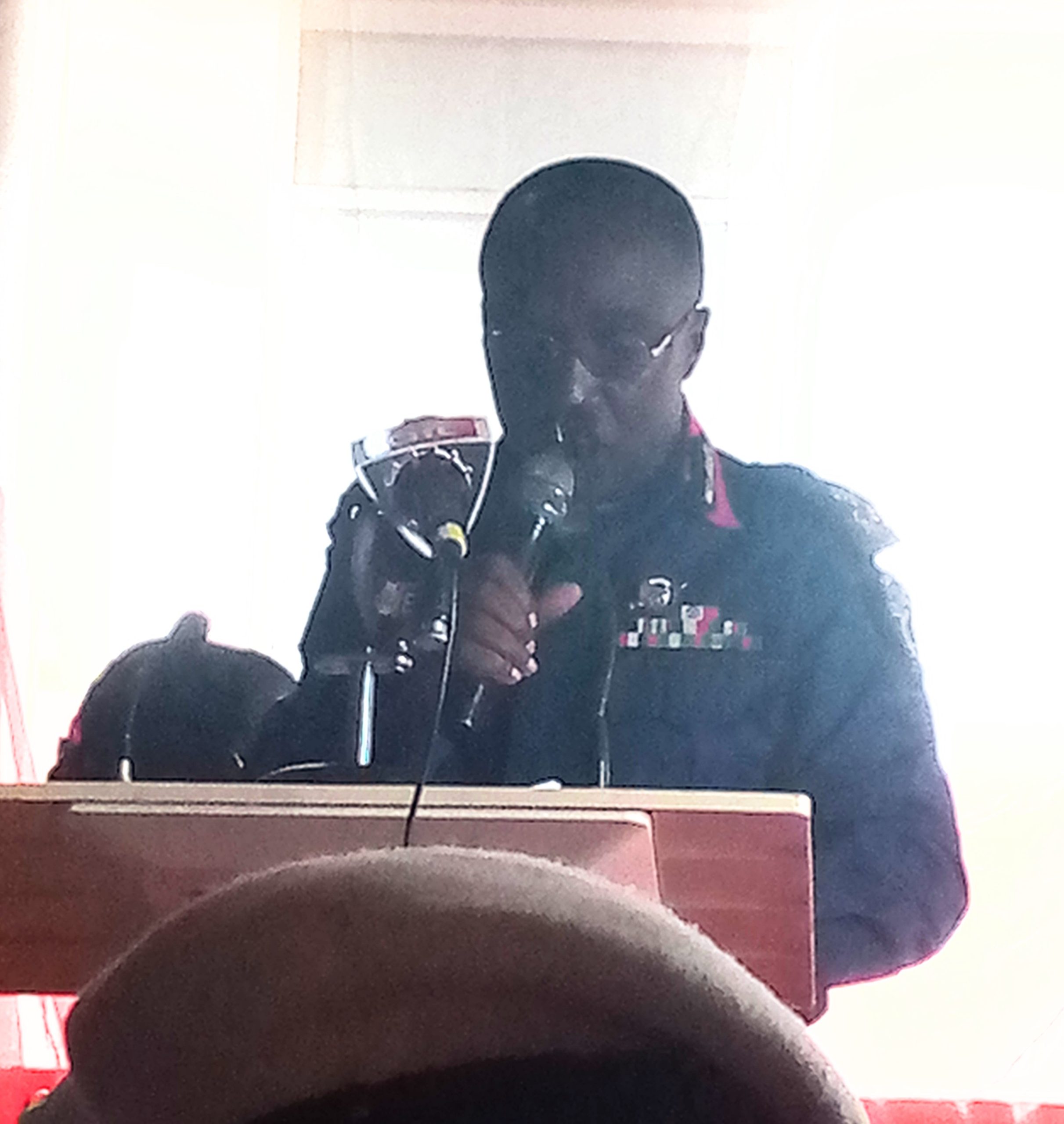
The meeting also emphasised the need for sustained enlightenment campaigns to educate communities on the economic and social impact of damaging critical infrastructure, as well as the legal consequences for offenders.
The ministry pledged to work with Local Governments to ensure that construction and excavation activities in the state complied with existing guidelines to prevent accidental damage to underground cables.
Licensed fibre optic operators committed to improving real-time monitoring systems and promptly reporting incidents to security agencies for swift action.
Participants also admitted that the protection of critical national infrastructure remains a collective responsibility.
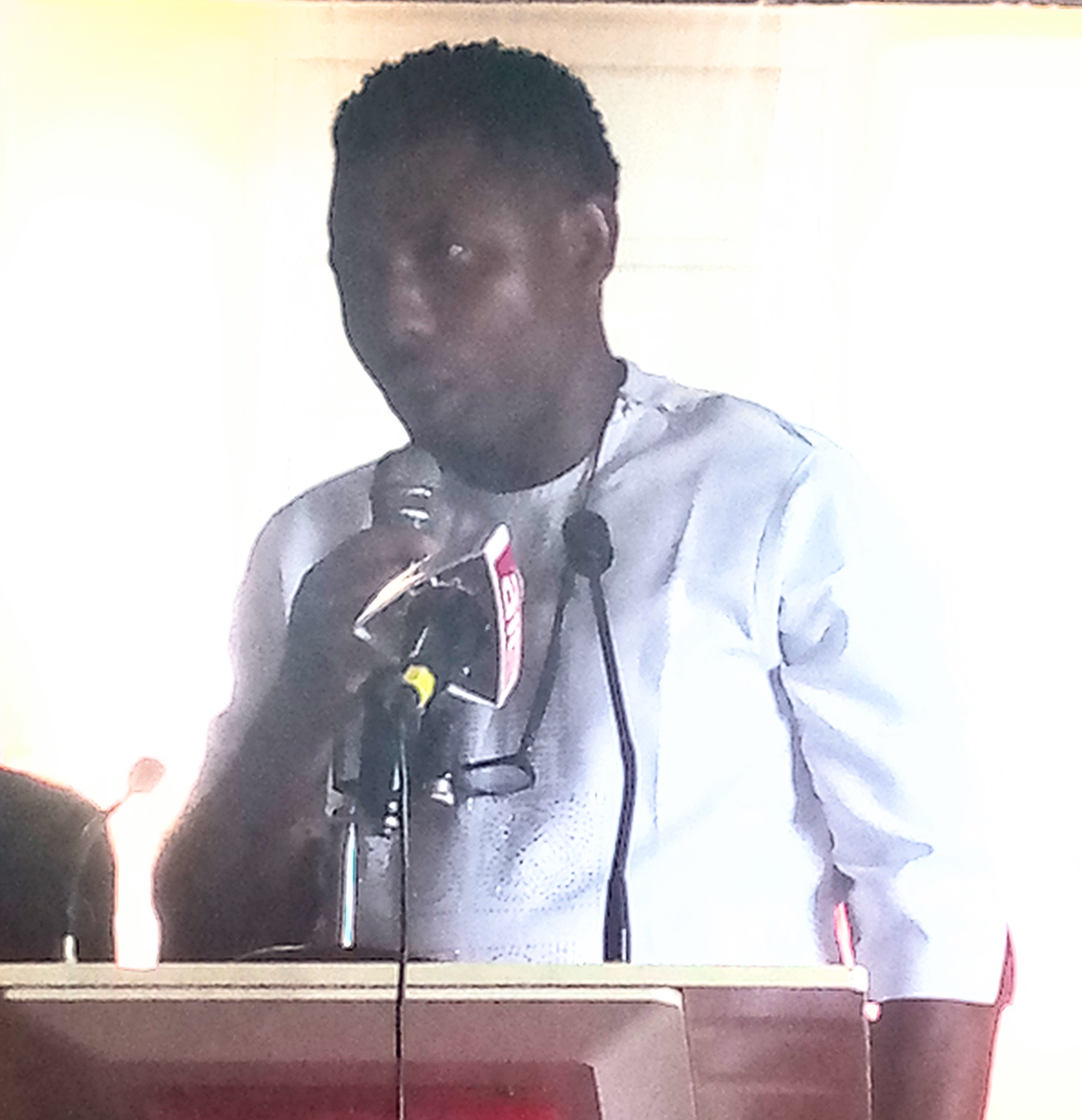
They called on traditional rulers, community leaders, and residents to serve as watchdogs in their areas.
They also urged the State Government to integrate CNAI protection into its urban planning and development policies to minimise conflicts between infrastructure and development projects.
The stakeholders resolved to hold quarterly review meetings to assess progress and adjust strategies, when necessary.
(NAN)
